
Moving company vans and cars to electric can bring running costs down, but only if the charging behind them works. When we carry out commercial EV charger installations for businesses across Stockport and the North West, the problems we come across rarely start with the chargers themselves. They start with decisions made before anyone picks up a tool.
As an OZEV-approved installer and Rolec Platinum Installer, we’ve seen how small oversights at the planning stage lead to delays, extra costs and vehicles that aren’t ready when drivers need them. Here are the mistakes we see most often and how to avoid them.
Not Checking Your Power Supply First
Many businesses choose their chargers before anyone has looked at the building’s electricity supply. It’s an easy mistake to make, but the supply is often the factor that decides how many chargers a site can support and how quickly they can be fitted.
Older units, industrial estates and shared buildings often have less spare capacity than expected. If the supply needs upgrading, that work goes through your local Distribution Network Operator and can add weeks or even months to a project. Finding this out late means chargers sitting in boxes while vehicles go without.
This is why every project we take on starts with a free EV charger site survey. We assess your existing supply, work out what it can realistically support and coordinate with your network operator where an upgrade is needed, all before you commit to anything.
Planning Only for the Fleet You Have Today
It’s natural to size an installation around the vehicles you’re running now. The trouble is that most businesses don’t stop at three or four electric vans, and adding chargers later can mean digging up the car park and running new cables all over again.
A little planning at the first install goes a long way. Laying extra ducting to future bays, choosing distribution boards with room to expand and allowing for spare capacity costs far less while the ground is already open. Even if you only fit two chargers now, the groundwork for ten can be in place.
If budget is tight, a phased rollout often works well. We can design the full layout from the start and install chargers in stages as your fleet grows.
Choosing Charger Speed Without Looking at How Vehicles Are Used
Rapid chargers sound appealing, but they’re expensive to buy and install and often need a significant supply upgrade. For vehicles that sit in a yard overnight, they’re usually unnecessary.
The better question is how long each vehicle is parked and how far it travels each day. A van that returns at 6pm and leaves at 7am has plenty of time to recharge on a 7kW or 22kW AC charger. Rapid charging makes more sense for vehicles running multiple shifts or needing a top up between jobs.
Supply type plays a part too. Some sites can move from single phase to three phase charging to get faster speeds without going down the rapid route.
Load management is the other piece of the puzzle. Without it, several vehicles plugging in at the end of the day can overload the supply or push you into a bigger upgrade than you need. Load management shares the available power across your chargers, so more vehicles can charge from the same connection. We’ll advise whether it suits your site and which of our EV charging products are the right fit.
Putting Chargers in the Wrong Place
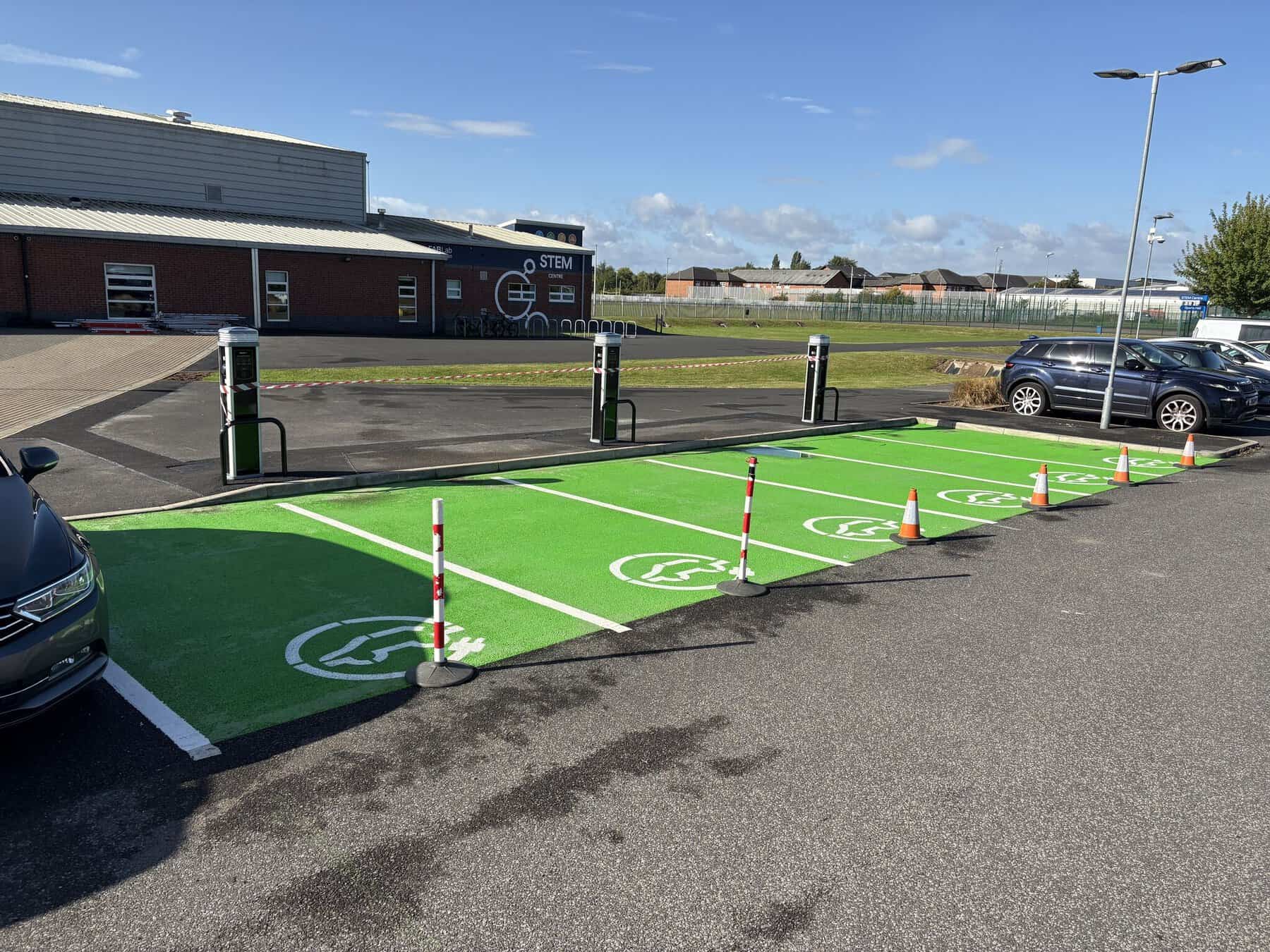
Where chargers go matters as much as which ones you choose. We regularly see bays where the cable can’t comfortably reach the charge port, chargers that get in the way of larger vans, or units placed far from the supply, which drives up cabling and groundwork costs.
It’s worth thinking about where the charge ports sit on your vehicles and which way drivers tend to park, as well as turning space for longer vans and protection from vehicle impact in busy yards. Good lighting and keeping cables clear of walkways help avoid trip hazards, and it pays to mark out where future bays will go before the first chargers are fitted.
If chargers are going into a covered or underground car park, your fire risk assessment will need updating too. Under the Regulatory Reform (Fire Safety) Order 2005, property owners and managers are responsible for assessing and managing fire risk, and new charging equipment should be part of that.
Mixing Fleet, Staff and Visitor Charging Without a Plan
Many businesses want their chargers to serve fleet vehicles, staff cars and sometimes visitors. That can work well, but without a plan your fleet can end up without a charge because a staff car has been plugged in all day.
Access control, scheduling and usage reporting help keep fleet charging separate from everything else, and they make it much easier to see what charging is costing you per vehicle.
There’s a grant consideration as well. Under the Workplace Charging Scheme, chargepoints funded for businesses can only be used by staff and fleet vehicles, not customers, although they can be opened to residents outside working hours. If you want customer or public charging too, that needs planning separately.
Forgetting About Drivers Who Take Vehicles Home
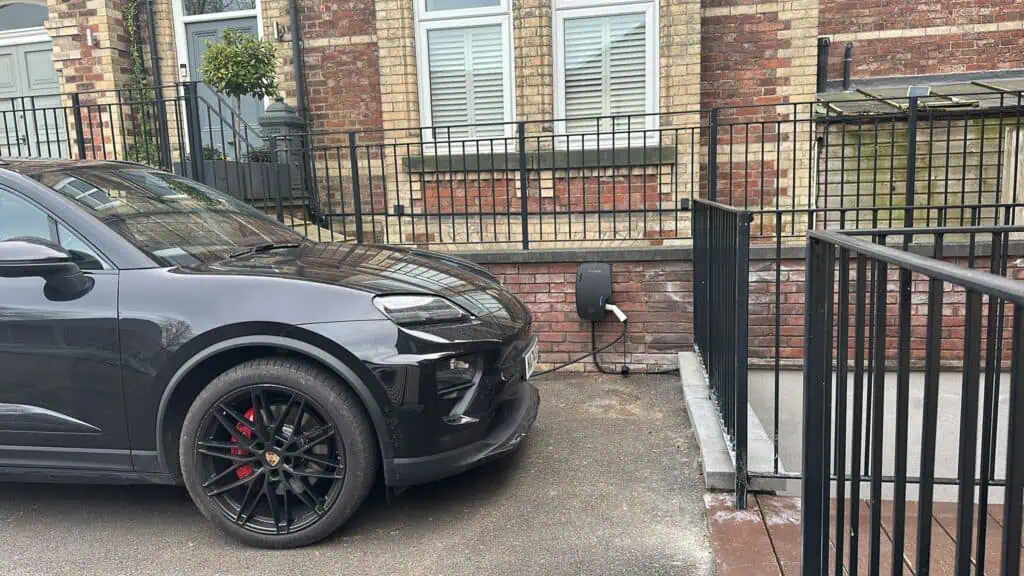
Not every fleet charges at a depot. If drivers take vans or company cars home overnight, depot chargers alone won’t cover them, and relying on public charging quickly eats into the savings.
The Workplace Charging Scheme can help here. Employers can install chargepoints at employees’ homes for company vehicles where the employee can’t charge at work, as long as the work is carried out by an authorised installer and the chargepoint is approved for both residential and commercial use. Choosing a residential only model means the grant claim will be declined, so it’s worth getting the product choice right from the start.
You’ll also need a fair way to reimburse drivers for the electricity they use at home. HMRC publishes advisory electricity rates for company cars, which are updated regularly, so it’s worth checking the current figures with your accountant.
Leaving the Grant Application Too Late
The Workplace Charging Scheme covers up to 75% of the cost of buying and installing chargepoints, capped at £500 per socket, for up to 40 sockets across all your sites. It has been extended for a final year and closes on 31 March 2027.
Businesses sometimes assume the grant can be sorted at the end. In practice, your site should be surveyed before you apply, the voucher you receive is valid for 180 days, and the chargepoints must be installed and the grant claimed within that window. If a supply upgrade is needed, that timeline can get tight, so projects that start late in the scheme risk missing out altogether.
Choosing an Installer on Price Alone
A low quote can look attractive until you see what’s been left out. Groundworks, load management, certification and network operator liaison are sometimes missing from cheaper quotes, only to reappear later as extras.
Accreditation matters for more than peace of mind. You can only claim the Workplace Charging Scheme grant if the work is carried out by an OZEV authorised installer. Manufacturer accreditation is worth checking too, as it shows the manufacturer recognises the installer’s experience with its equipment.
Overlooking Maintenance and Aftercare
A charger that’s out of action means a vehicle that can’t go out. For fleets, that downtime has a direct cost, yet maintenance is often an afterthought once the installation is complete.
Regular servicing picks up faults before they cause problems and keeps chargers running reliably. As a Rolec Maintenance Champion, we provide EV charger servicing and maintenance for businesses across the region.
How We Help Businesses Get Fleet Charging Right
We design and install electric fleet charging solutions for businesses across Greater Manchester, Cheshire and Derbyshire. Every project starts with a site survey, so we can check your supply, plan for growth and design a layout that works for your vehicles and your site. We also support grant applications and stay on hand for servicing once your chargers are in.
If you’re planning to move your fleet to electric, book a free site survey or get in touch with our team on 01625 569574 to talk through your plans.