 call us on
As electric vehicles (EVs) continue to grow in popularity, so does the debate over whether it’s better to charge at home or rely on public charging stations. Both options have their advantages, but which one is more convenient?
In this article, we’ll explore key factors such as accessibility, cost, charging speed, lifestyle convenience, and environmental impact to help you decide which option suits you best.
Accessibility
Home charging
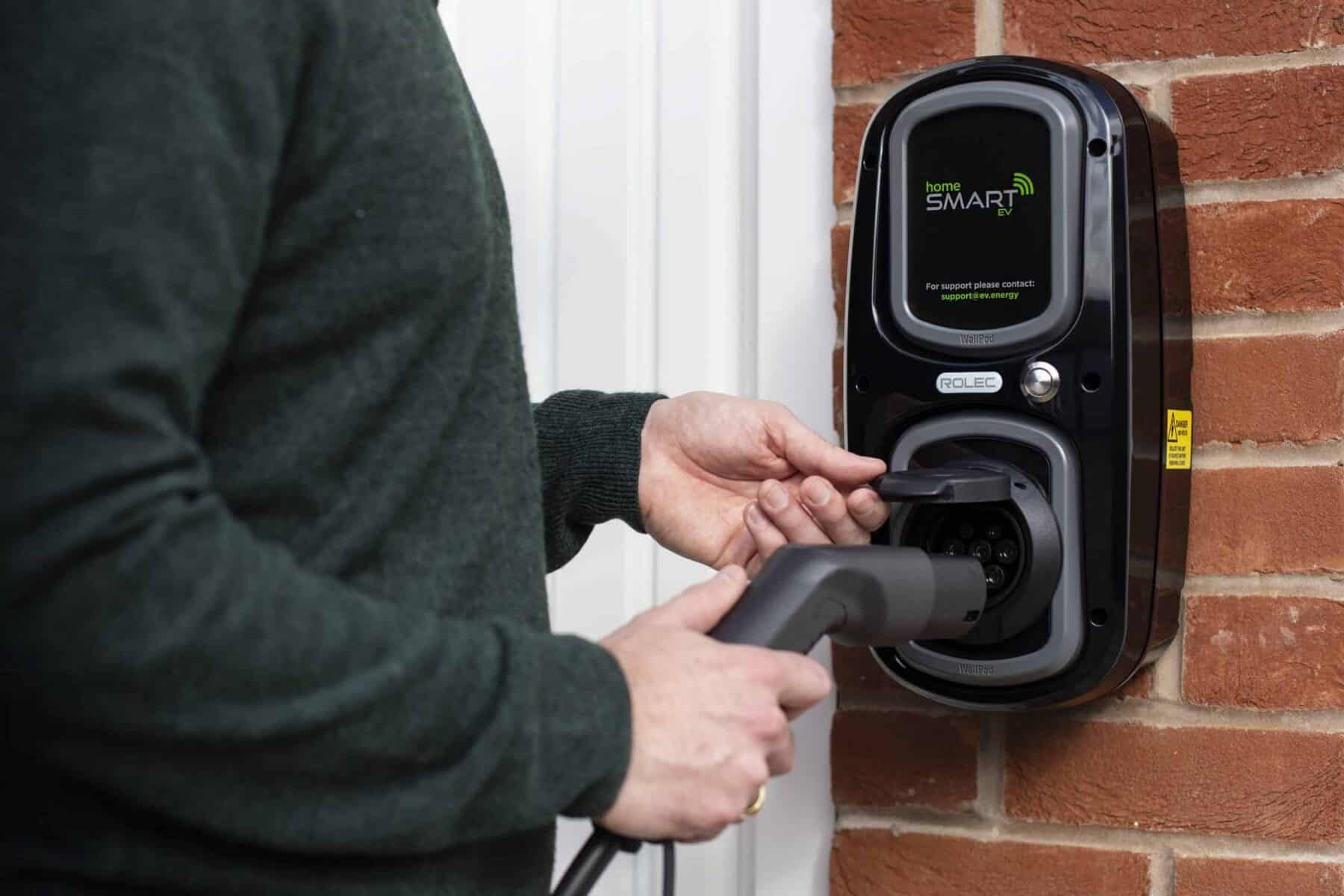
One of the biggest advantages of a home EV charger is that it’s always available whenever you need it. There’s no need to search for an open charging spot or wait in line—simply plug in your vehicle at the end of the day and wake up to a fully charged battery. This level of accessibility makes home charging a seamless part of your daily routine.
Public charging
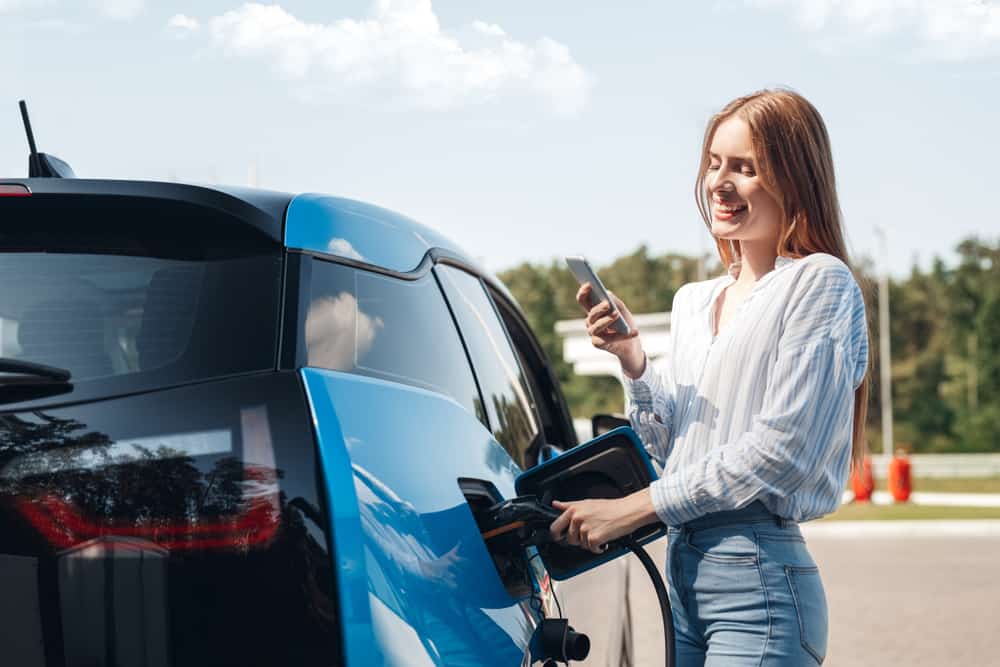
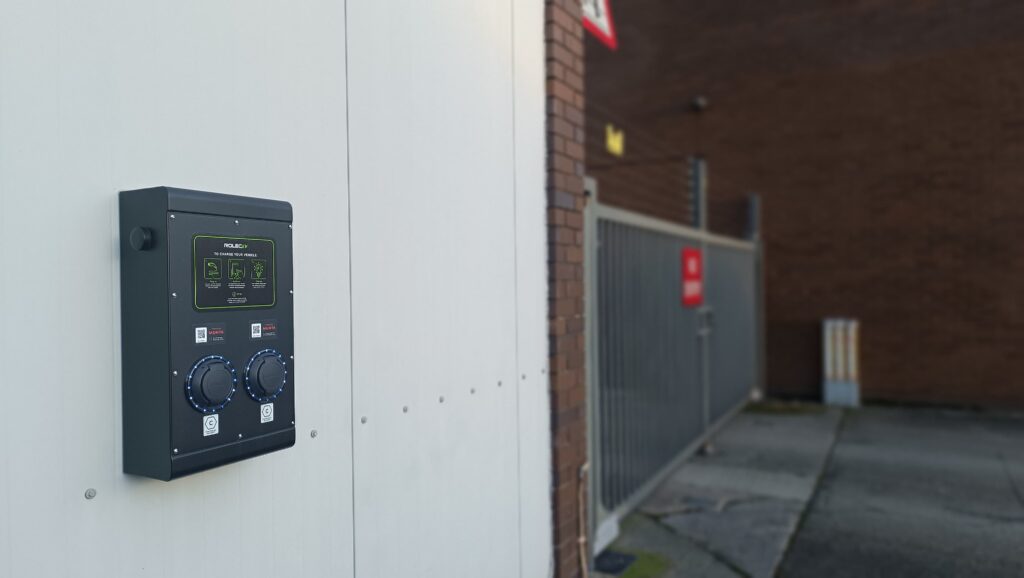
Public charging stations, on the other hand, are useful when you’re on the go. With more locations popping up at shopping centres, office buildings, and motorway service stations, public chargers provide flexibility for those who travel frequently. Many EV drivers use apps to locate nearby charging points, making it easier than ever to find a station when needed. However, availability can still be an issue during peak times, and you may have to wait for a charger to become free.
Cost
Home Charging
Charging your EV at home is typically more cost-effective than using public stations. By taking advantage of off-peak electricity rates, homeowners can significantly reduce their charging expenses. Although there is an initial cost to install a home charger, the long-term savings often outweigh this upfront investment.
Public charging
Public charging usually follows a pay-per-use model, and rates can vary depending on the provider and location. While some public stations offer free charging, these are not always readily available or reliable. Some networks provide subscription plans that offer discounted rates, but over time, home charging still tends to be the more economical choice.
Charging Speed
Home charging
Home chargers, especially Level 2 models, provide a faster and more consistent charging experience compared to a standard household outlet. Most EVs can be fully charged overnight, allowing you to start each day with a full battery. The ability to charge at home ensures that you have reliable access to power without worrying about speed fluctuations due to high demand.
Public charging
Public charging stations, however, often offer fast-charging options such as Level 3 (DC fast chargers), which can charge an EV up to 80% in about 30 minutes. This makes them ideal for long trips when you need a quick top-up. However, charging speeds at public stations can vary depending on the charger type and how busy the station is at the time. During peak hours, you might experience slower charging due to increased demand.
Convenience & Lifestyle
Home charging
A home EV charger provides the ultimate convenience, seamlessly fitting into your daily routine. You can plug in your vehicle as soon as you get home, ensuring it’s ready to go when you need it. Many home charging setups also allow you to schedule charging times to take advantage of lower electricity rates during off-peak hours.
Public charging
Public charging stations, on the other hand, are more suited for “opportunity charging,” where you top up your battery while running errands or stopping for a meal. Many charging locations are strategically placed near shopping centres, restaurants, and other amenities, allowing you to make use of your time while your vehicle charges. However, public charging requires planning, as you may need to adjust your schedule around charger availability.
Environmental Impact
Home charging
If sustainability is a priority, home charging gives you more control over your energy source. If your home is powered by solar panels or other renewable energy sources, you can significantly reduce your carbon footprint by charging your EV with clean energy. Additionally, you can choose an energy provider that supplies 100% renewable electricity, ensuring your vehicle is charged in the most environmentally friendly way possible.
Public charging
Public charging stations also contribute to sustainability, though the environmental impact varies. Some networks are committed to using renewable energy, but this depends on the provider and location. Since public charging stations distribute energy to multiple vehicles, they can be an efficient way to share resources. However, the overall sustainability of public charging depends on how the electricity is generated.
Ready to Experience the Convenience of Home Charging?
While public charging stations offer flexibility and fast charging options, a home EV charger stands out for its consistent convenience, cost-effectiveness, and the ability to fit seamlessly into your lifestyle. For most EV owners, the reliability and savings of a home charger make it the more convenient choice.
Contact EV Charging Company today to schedule a free site survey and get started with installing a Rolec EV charger at your home. Enjoy the ultimate convenience of having your EV ready to go whenever you need it, with the added benefits of cost savings and environmental sustainability. Don’t wait—make the switch to home charging now!